Flood Risk Is Changing: A 5-Point Checklist for Insurers

Jessica Chambliss, SVP of Flood
September 22nd 2026
One year after the launch of our Flood Team in North America, Jessica Chambliss, SVP of Flood, considers how insurers can prepare for a more complex and unpredictable flood risk landscape.
Tropical Storm Edouard is the latest reminder that weather-related risk does not stop at the boundaries of traditional high-risk zones.
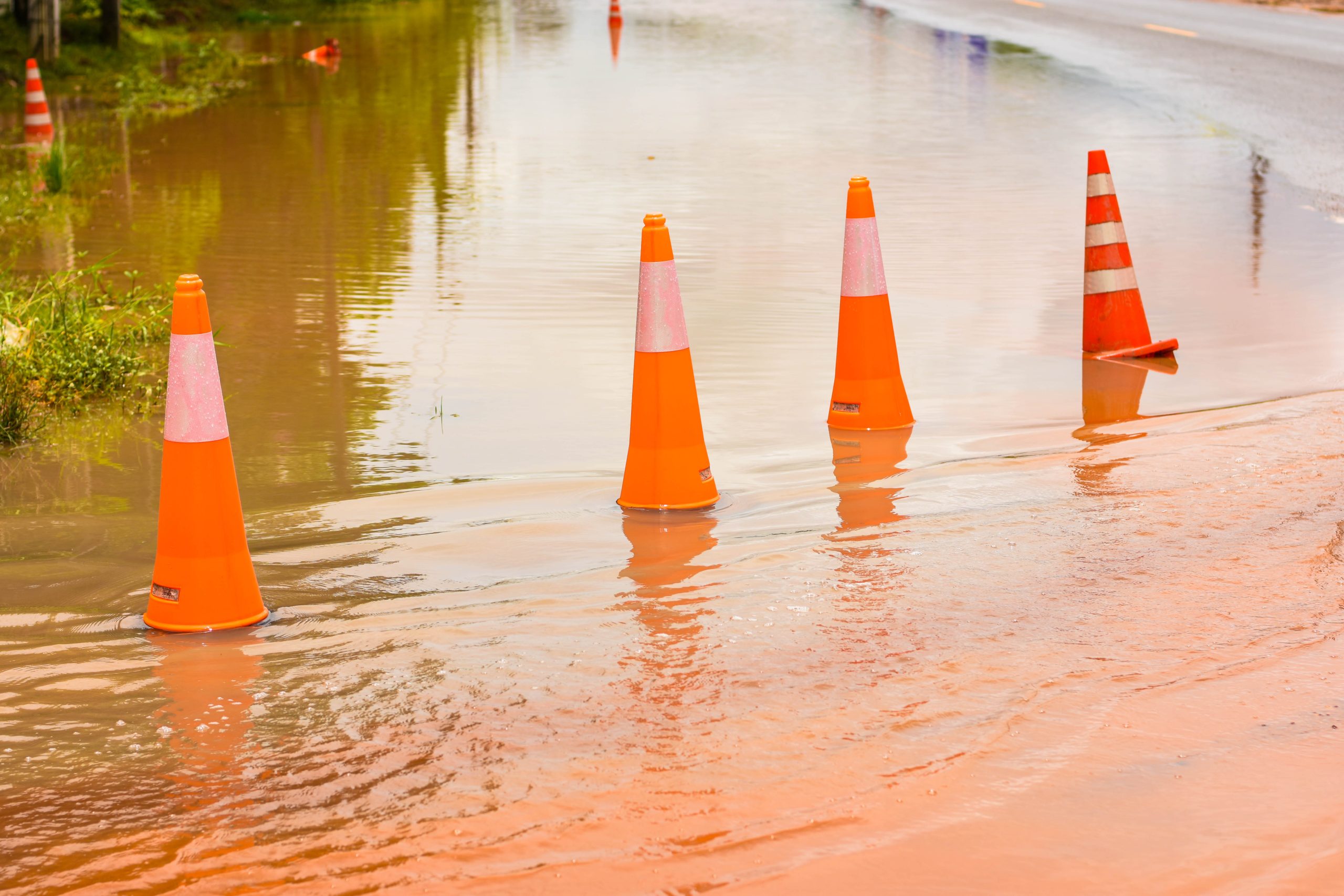
After making landfall near the Texas-Louisiana border, the storm brought extreme rainfall, flooding, damaging winds and widespread power outages to Southeast and East Texas. Some communities received more than 20 inches of rain, while flooded roads, fallen trees and infrastructure disruption made affected areas difficult to access.
These conditions can delay loss reporting and initial claims assessments, meaning the full volume and severity of claims may not become clear until floodwaters recede and access is restored.
Five priorities stand out for insurers looking to strengthen their approach to flood risk and catastrophe claims.
1. Look beyond traditional flood zones
☑ Are we assessing risk beyond existing flood zones?
Traditional flood maps remain useful, but they do not provide a complete picture of current or future exposure.
Rapid development can alter historic water flows, while roads, buildings and other impermeable surfaces increase runoff. At the same time, extreme rainfall can overwhelm drainage systems in areas with little previous history of flooding.
This means that properties in areas considered lower risk, including Zone X locations (areas with a low statistical risk of flooding), can still suffer significant flood losses. Insurers should therefore combine flood-zone data with property-level insights, local development patterns, infrastructure capacity, and predictive modelling. The central principle is simple: low risk does not mean no risk.
2. Close the flood insurance knowledge gap
☑ Do policyholders understand their flood coverage?
Flood risk is not always well understood by homeowners and businesses. Many policyholders may not realize that standard property insurance typically excludes flood damage, or that the insurance definition of a flood is more specific than simply “water damage.”
That misunderstanding can result in coverage gaps and unexpected outcomes after a catastrophe.
Insurers and brokers should communicate clearly about what policies cover, which risks are excluded and whether additional flood insurance may be needed. These conversations should reflect the characteristics of the individual property rather than relying solely on its designated flood zone.
Clearer communication can help customers make informed decisions before an event, rather than discovering a protection gap during the claims process.
3. Prepare for delayed and uneven claims volumes
☑ Can our claims operation scale during a flood event?
Flood claims do not always arrive immediately after an event. Power outages, continued rainfall and inaccessible roads can delay notification and assessment, creating uncertainty around the eventual scale of the loss.
Once infrastructure is restored, insurers may experience a concentrated increase in claims. Effective catastrophe preparedness therefore requires more than additional adjusters. It also depends on coordinated dispatch, customer communication, quality assurance and access to specialist flood expertise.
Scalable operational models should be established before an event occurs and tested against scenarios in which claims reporting, site access and resource deployment are all disrupted at the same time.
4. Combine better technology with specialist judgment
☑ Are we using technology to support expertise, not replace it?
Predictive modeling, geospatial data and AI-enhanced tools can help insurers identify emerging flood exposure, allocate resources and improve claims consistency.
Within the claims process, technology can also support file setup, dispatch, customer communications and quality review. Real-time, guideline-led tools can help adjusters identify potential issues earlier and maintain consistent standards in the field.
However, flood claims still demand human judgment. Experienced specialists must interpret policy language, understand local conditions and support policyholders through complex and often distressing circumstances.
The strongest outcomes will come from combining improved data and automation with trained flood professionals who can apply context, empathy and technical expertise.
5. Move from flood response to flood resilience
☑ Are we helping customers build flood resilience?
As flood exposure evolves, the insurance industry has an opportunity to place greater emphasis on prevention and resilience.
Flood barriers, water-resistant materials and elevated utilities can all help reduce the severity of damage. Insurers can support this by providing practical risk guidance and exploring incentives that encourage appropriate resilience measures.
Collaboration will also be important. Carriers, brokers, claims specialists, technology providers and modeling experts need to share insights as flood patterns, customer expectations and claims practices change.
Flood preparedness should not begin when a storm is named. It should be embedded across underwriting, policyholder communication, catastrophe planning and claims operations.
Preparing for the next phase of flood risk
Over the past year, the Davies’ Flood Team in North America has seen firsthand the importance of scalable capacity, ongoing training and specialist claims expertise.
The larger lesson for the insurance market is that future flood losses may increasingly emerge outside the areas the industry has historically considered most exposed.
Insurers that adopt property-level flood risk assessments, improve coverage communication, strengthen catastrophe claims planning and invest in resilience will be better prepared for that shift.
Flood risk is changing. The industry’s understanding of it must change too.
-
March 5th 2026
Be Ready to Scale: 5 Strategies for Proactive CAT Claims Management in 2026
Proactive planning for CAT events by insurance carriers is crucial for successfully managing increasingly unpredictable and high-volume claims,…
-
October 13th 2025
When It Comes to Flood, You Don’t Have to Stay in Your Zone
I am a flood nerd, I admit it. I study geographies, topographies, weather…
-
July 24th 2025
Davies expands flood division to manage large-scale claims in North America and appoints Jessica Chambliss as senior vice president
North America – July 24, 2025 – Davies, the leading specialist professional services…